salakhalimunmountain.com – In the high rainforests of West Java, words are born from nature itself. One such word is “Halimun” — a Sundanese term that quietly captures the soul of Mount Halimun and the surrounding Halimun–Salak National Park. More than just mist or fog, halimun defines how the land looks, feels, breathes, and even how people move within it.
The Meaning of Halimun in Sundanese Culture
The word Halimun comes from the Sundanese language, spoken by the indigenous people of West Java. Translated simply, it means mist, fog, or haze. But in Sundanese understanding, halimun is not empty air — it is a presence.
It describes the soft veil that settles over forests and valleys, blurring edges, muting sound, and slowing time. This is why Mount Halimun carries its name proudly; it is a mountain that lives within the mist.
How Halimun Defines the Landscape
1. A Forest That Appears and Disappears
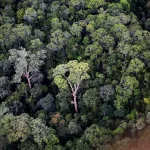
In the early morning, clouds drift low through the canopy of Halimun–Salak National Park. Giant trees fade into white, then re-emerge as the mist moves. The rainforest feels alive — not static, but breathing.
This ever-changing visibility gives Mount Halimun its signature look: mysterious, layered, and endlessly photogenic.
2. A Quiet, Slowed-Down Atmosphere
Halimun softens everything. Footsteps sound gentler. Voices drop naturally. Even experienced trekkers find themselves walking slower, listening more, and observing closely.
This is why many visitors describe Mount Halimun as deeply calming. The mist reduces visual noise and encourages mindfulness — a natural form of forest bathing that modern travelers crave.
3. A Lifeline for the Rainforest Ecosystem
The constant mist creates a moisture-rich environment essential for Halimun’s old-growth rainforest. Moss blankets tree trunks, orchids cling to branches, and fungi thrive on fallen wood.
This climate supports extraordinary biodiversity, from endemic plants to rare wildlife like Javan gibbons and forest birds that depend on dense, humid habitats.
Halimun and Human Connection
For local communities, halimun is woven into daily life and belief. Mist is often associated with balance, protection, and unseen forces of nature. Villages near Mount Halimun respect the forest not as scenery, but as a living system that provides water, food, and spiritual grounding.
This deep connection has helped shape sustainable tourism in the region, attracting travelers who seek authenticity rather than mass tourism.
More Than a Word, a Way of Being
Halimun is not just a description — it is the essence of Mount Halimun itself. It transforms the rainforest into a sanctuary of stillness, mystery, and natural wonder. To walk through halimun is to accept uncertainty, to slow down, and to truly notice the forest around you.
And that is why Mount Halimun feels so different from anywhere else in Java.
Travel With Specialists Who Understand Halimun
At Java Private Tour, we believe places like Mount Halimun require more than generic itineraries. Java Private Tour is not a generalist — we are specialists, deeply familiar with the landscapes, rhythms, and hidden stories of the Halimun–Salak rainforest.
So, if you’re ready to explore the wonders of Mount Halimun’s misty rainforest, head over to our REQUEST PAGE and let’s start planning your adventure. Or you can simply CLICK THIS LINK to chat with us on WhatsApp.
With Java Private Tour, you’re not just getting a guide; you’re gaining a friend who will ensure your trip is nothing short of extraordinary. See you in Java!